Huracán 300: A Ride Through the Unexpected
Seven years ago, Steven lined up for the Huracán with maybe 20 other people. It was simple. Show up, camp, roll out. Everyone knew each other, and the whole thing felt more like a shared adventure than an organized event.
This year, it felt different.
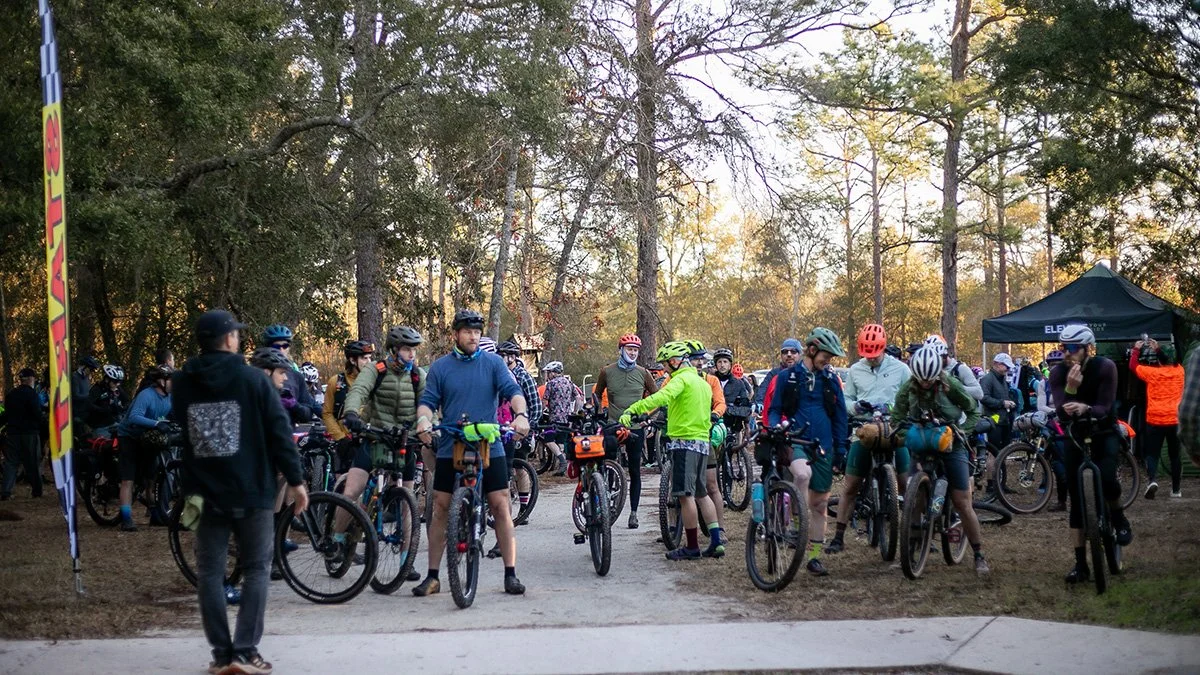
The Huracán 300, created by Carlos Bernard, known as the Singletrack Samurai, has grown into something much bigger. Now there are closer to 150 to 200 riders, a full campground for several days, and a real build-up leading into the start. There is a wide mix of ages, some riders well known in their own circles, others documenting everything with cameras as they go. It is clear how much things have changed.
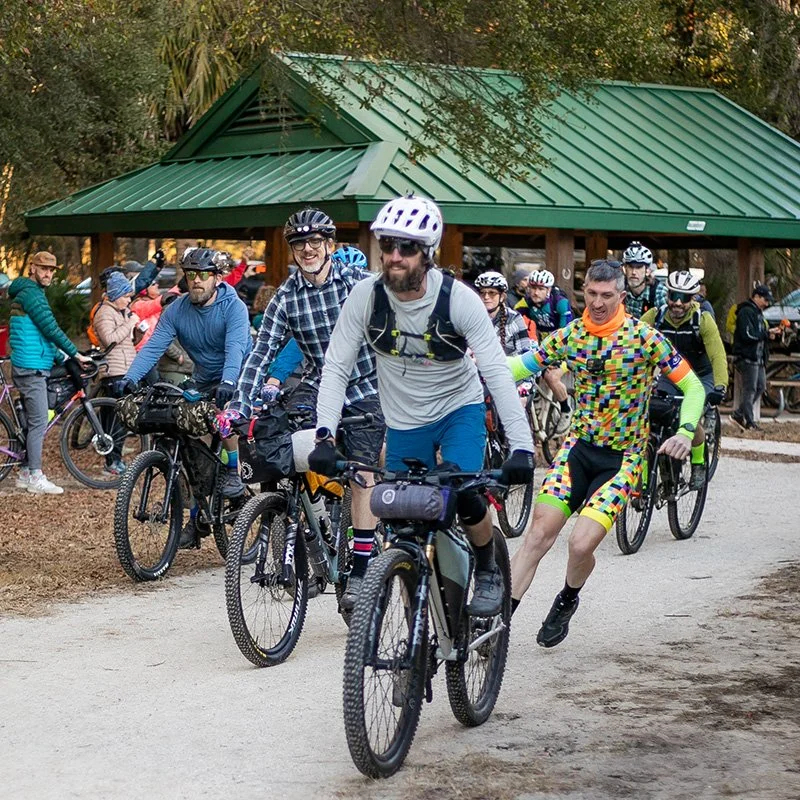
There were also familiar faces at the start, including a few from the MPT community. Ben Tuffield (MPT Ambassador) was there, Greg Hardy, Ryan Sigsby, along with Matt Mustin, who was taking on the race alongside his high school–aged son.
Even with that growth, once the race begins, it still strips everything down to the essentials.
A Different Kind of Course
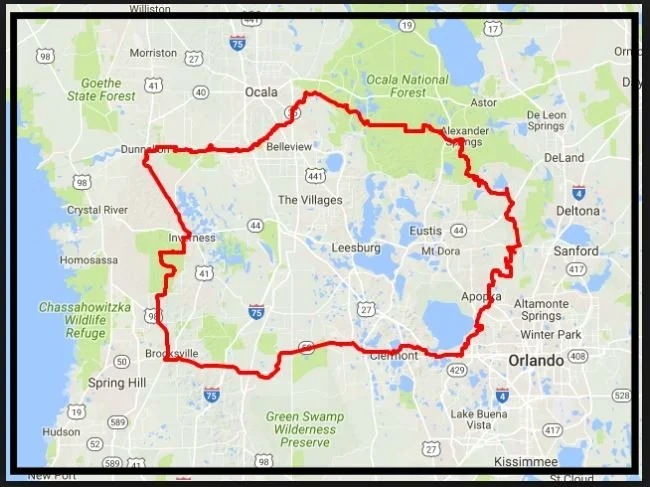
Route for Huracan 300 Bikepacking Challenge. Image credit: Singletrack Samurai Productions
The route stretches closer to 375 miles through parts of Central Florida that do not feel like Florida at all. Instead of beaches or flat roads, riders move through sand, swamp, forest, and long remote sections where you can go hours without seeing anyone.
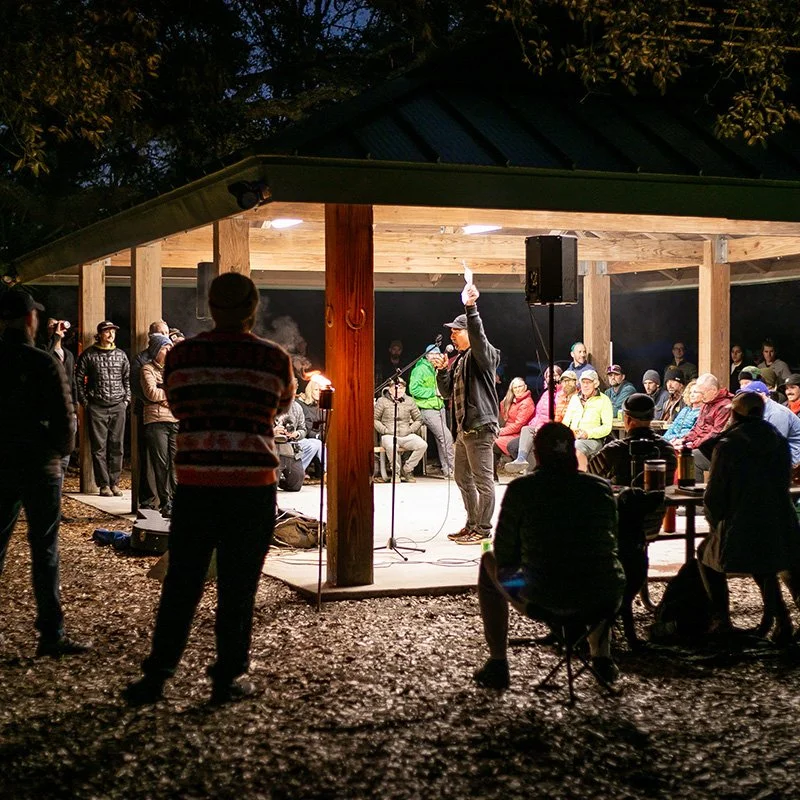
One of the unique elements is that the direction of the route is not announced until the morning of the race. The direction is decided by a spin of a conch shell and revealed just before the start. Then the conch is blown, and the race is on. From that point forward, it becomes a mix of endurance and navigation.
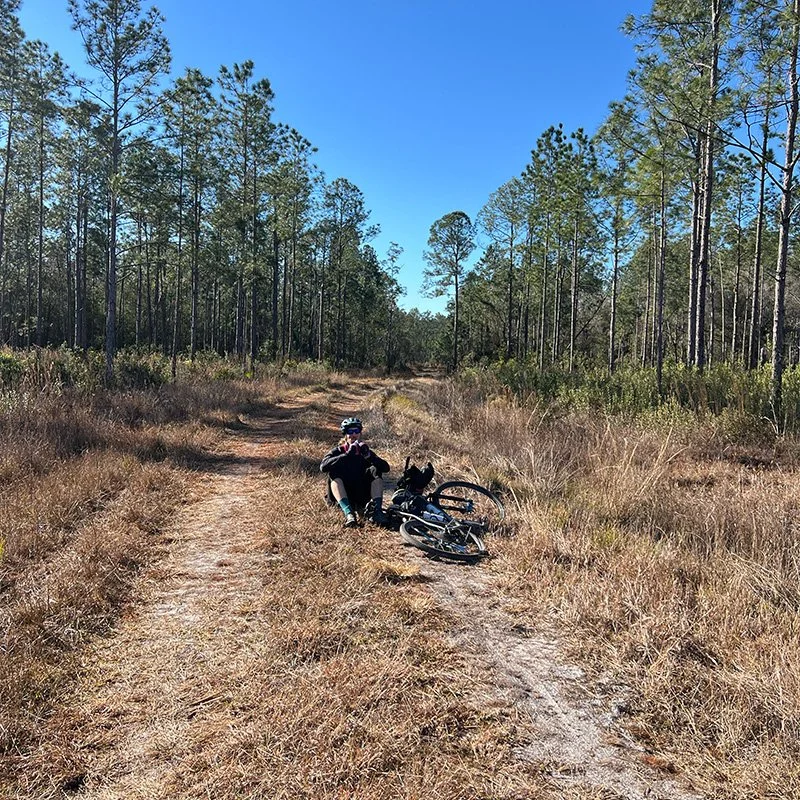
Steven went into this one with a different mindset. He was not chasing a result. He just wanted to see if it still felt meaningful. Was this still something he enjoyed?
Early Lessons
Navigation errors are part of this race. Riders miss turns, double back, and sometimes entire groups realize they have all made the same mistake. It can be frustrating in the moment, but it is also part of what defines the experience.
At one point, Steven missed a checkpoint and lost a planned resupply. That meant stretching food and water longer than expected and adjusting his pace to match. Eventually, he came across a small Italian restaurant in the middle of nowhere, ordered a pizza, and used the stop to reset and refuel.
Into the Swamp
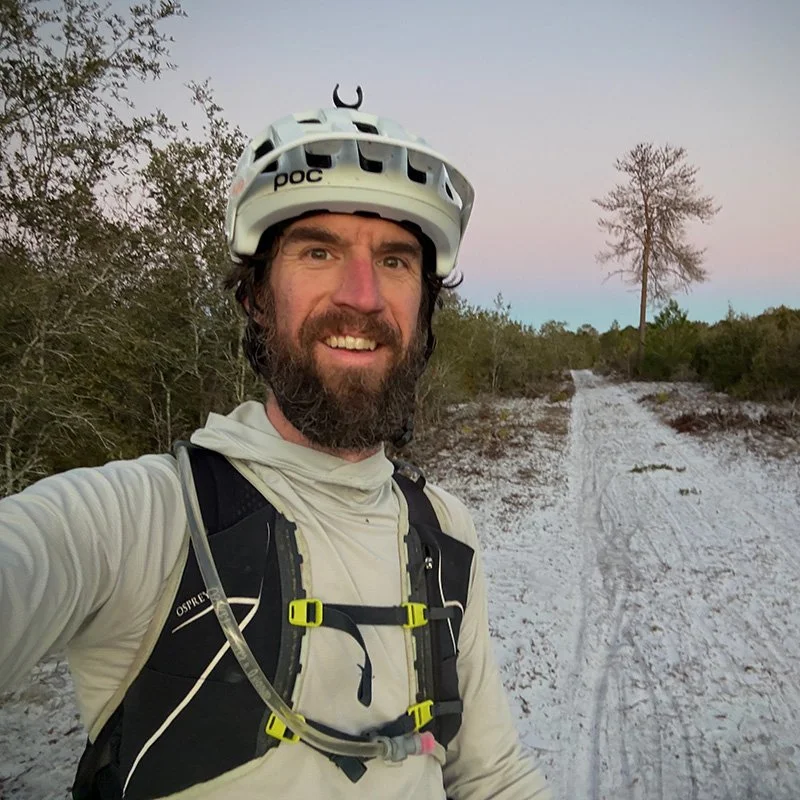
At different points along the route, he crossed paths with familiar faces, including Ben and Ryan, riding together for stretches before splitting off again.
As the course progressed, the terrain became more demanding.
The Challenge Trail is barely visible, marked only by blazes on trees and winding through thick brush and cypress stumps. At one point, his pack caught on a thorny branch that was stronger than expected, pulling him back and nearly tearing it apart. It was a quick reminder of how easily things can go sideways, whether it is equipment or the physical toll of the trail.
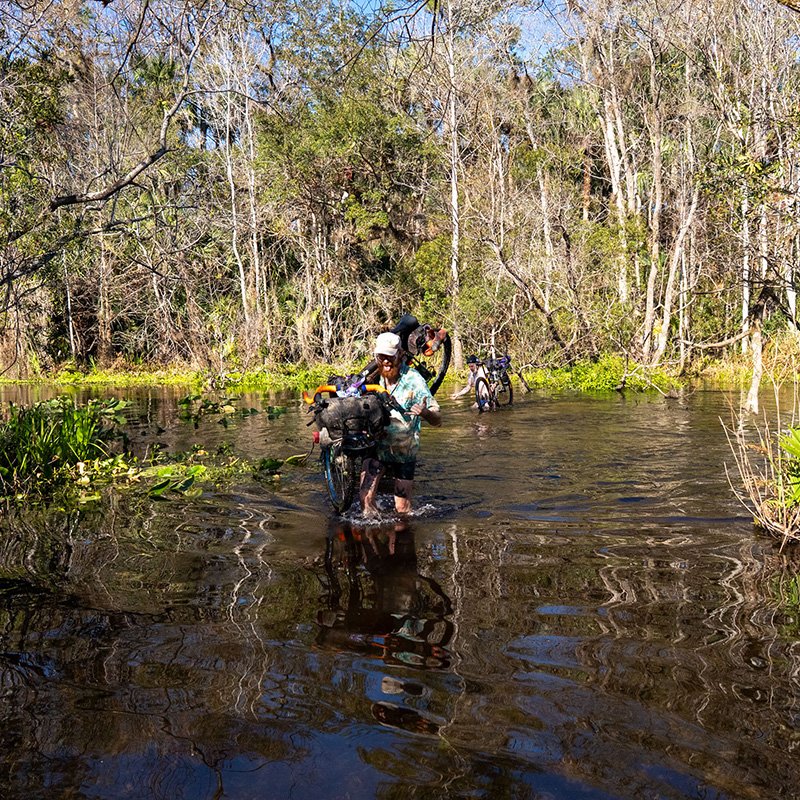
Then came the Wekiva River crossing.
Chest deep water, in the dark, carrying your bike overhead. On the far side, a small group had a fire going. They were not part of the race, just there to help if anyone needed it. A few minutes to warm up, then back into it.
When Things Get Hard
After the river, the temperature dropped into the 30s, and the wind made it feel even colder. That was when Steven realized he had left behind his warm gloves. He was certain he had packed them, but after checking his bag again, they were nowhere to be found.
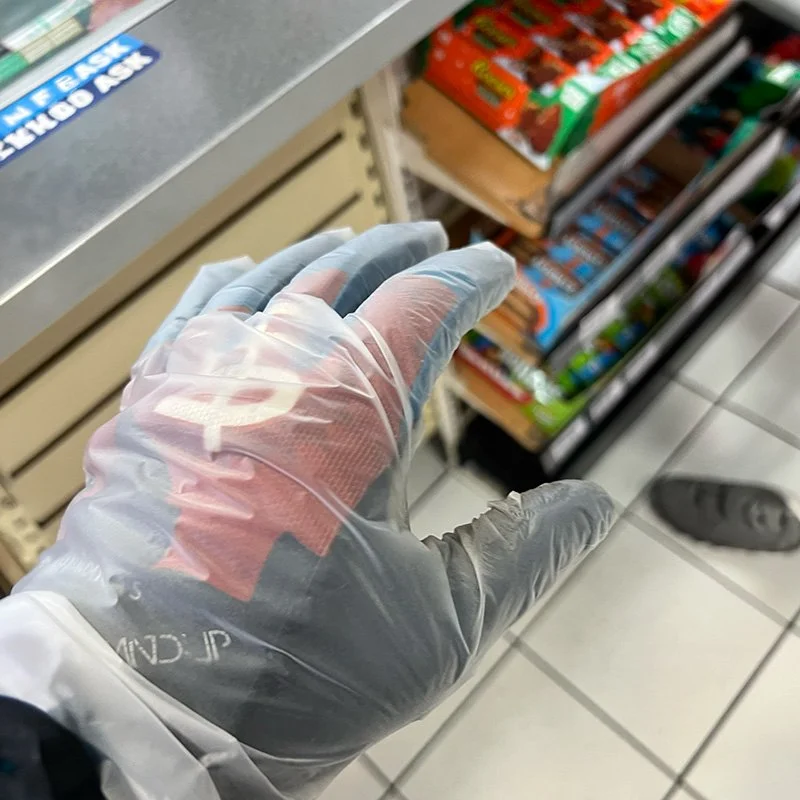
With wet clothes and cold air, his hands became painfully cold, to the point where he considered stopping. Later, at a Waffle House, he found a simple solution by using rubber cooking gloves over his riding gloves to block the wind.
It was not ideal, but it worked. And for a while, that is enough.
Fatigue Sets In
Much of this section ran through Ocala National Forest, where the terrain, darkness, and isolation started to wear on him. At times, he caught back up to riders he had seen earlier, leapfrogging through sections of the course as everyone managed the night in their own way. As the hours added up, the bigger challenge became fatigue.
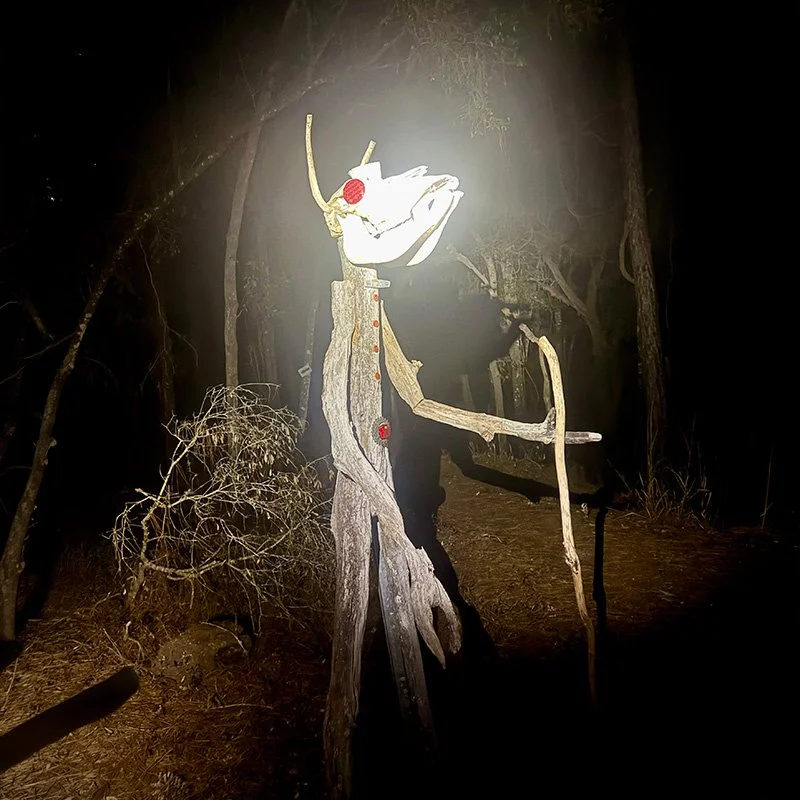
Steven went close to 48 hours with very little sleep. Other riders stopped where they could to rest. He kept moving, but eventually the lack of sleep caught up. He described seeing things that were not there, along with real coyotes earlier in the night and later strange coyote statues with reflective eyes that felt unsettling in the dark. Staying fully alert became a challenge.
By the second night, with limited light and mounting fatigue, he made the decision to step away from the race. Around midnight, near Lake Lindsey Mall, he chose to drop out. With minimal light, he continued pedaling through the night, making his way back toward camp.
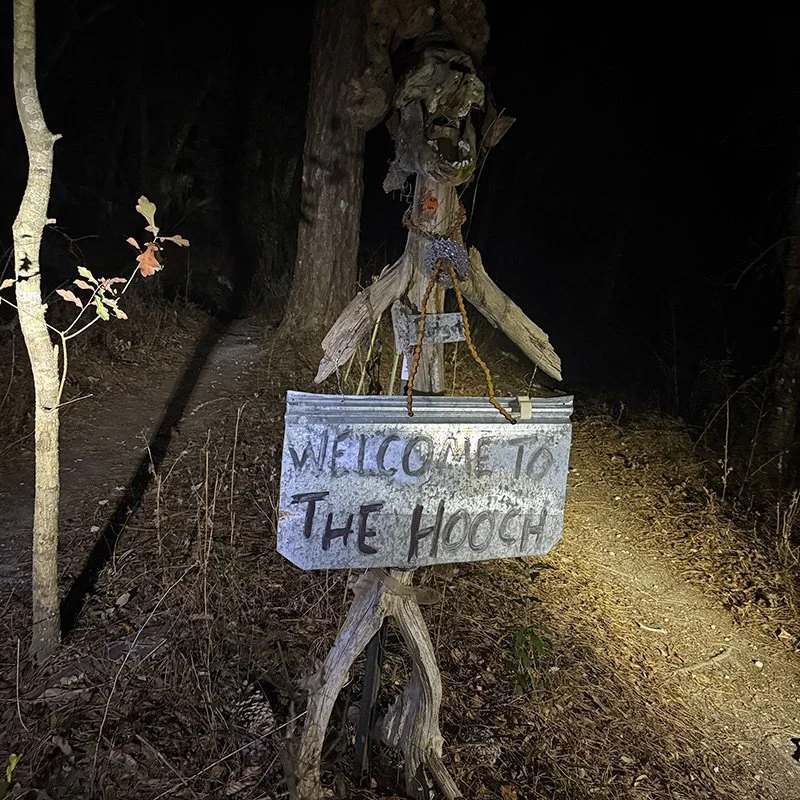
At that point, the goal narrowed to staying safe and getting back.
The Finish and the Reality After
Between missed turns, reroutes, and eventually taking to the roads when his devices died so he could ride more safely and see, the total distance pushed closer to 400 miles, well beyond the planned 375.
Back at camp, he tried to get some rest, but sleep came in short stretches. Riders continued coming in through the early morning hours, and hearing them being welcomed sometimes pulled him back up to join in, making it hard to fully settle. In total, he managed around eight hours of on and off sleep before heading home at 3 am the next morning.
At the same time, life back home continued. His kids got sick, and then his wife, Shona, got sick as well, still managing everything while he was away. When he finished, there was no long recovery window. It was a quick return to family and running the business, heading home, jumping into an event, and eventually trying to recover while getting sick himself.
That contrast is part of it. Moving from a long, demanding effort right back into family and work responsibilities is not always easy, but it is the reality of it. It also brought him back to the question he had at the start of this adventure.
So, Was It Still Worth It?
Going into the race, the question was simple. Was this still for him? Was it still something he wanted to do?
After everything, the answer was clear. Yes.
Not because it was easy, and not because it all went to plan, but because it gave him the chance to find out something deeper. It was an opportunity to see what he is still capable of, to test where his limits are now, and to work through discomfort, fatigue, and uncertainty while continuing to move forward.
That is what made it worth it.
And that is what carries over into everything else. This is what training is really about. Not just performing when everything lines up, but being able to handle what is in front of you when it does not, when you are tired, when conditions change, and when things do not go as planned.
It is less about having a perfect outcome and more about how you respond when things start to unravel. That kind of resilience carries over into his business, his family life, and how he handles challenges day to day.