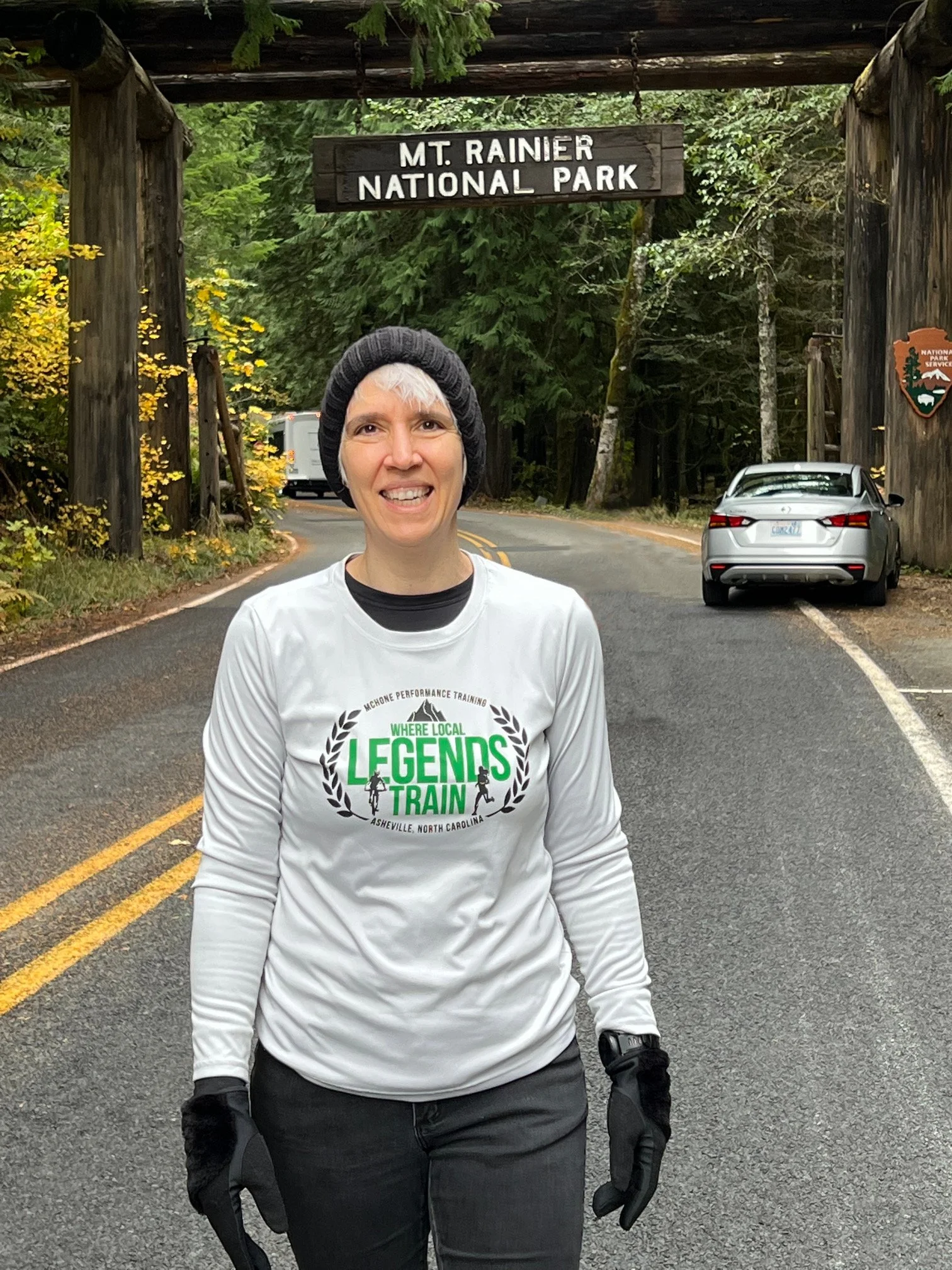
Carolines Recap of Challenge Roth

If you're looking for a challenging but unbelievably fun race, and you enjoy swimming, cycling, and running, then you should look into Challenge Roth. Actually... even if you don't swim-bike-run, now might be the perfect time to start!

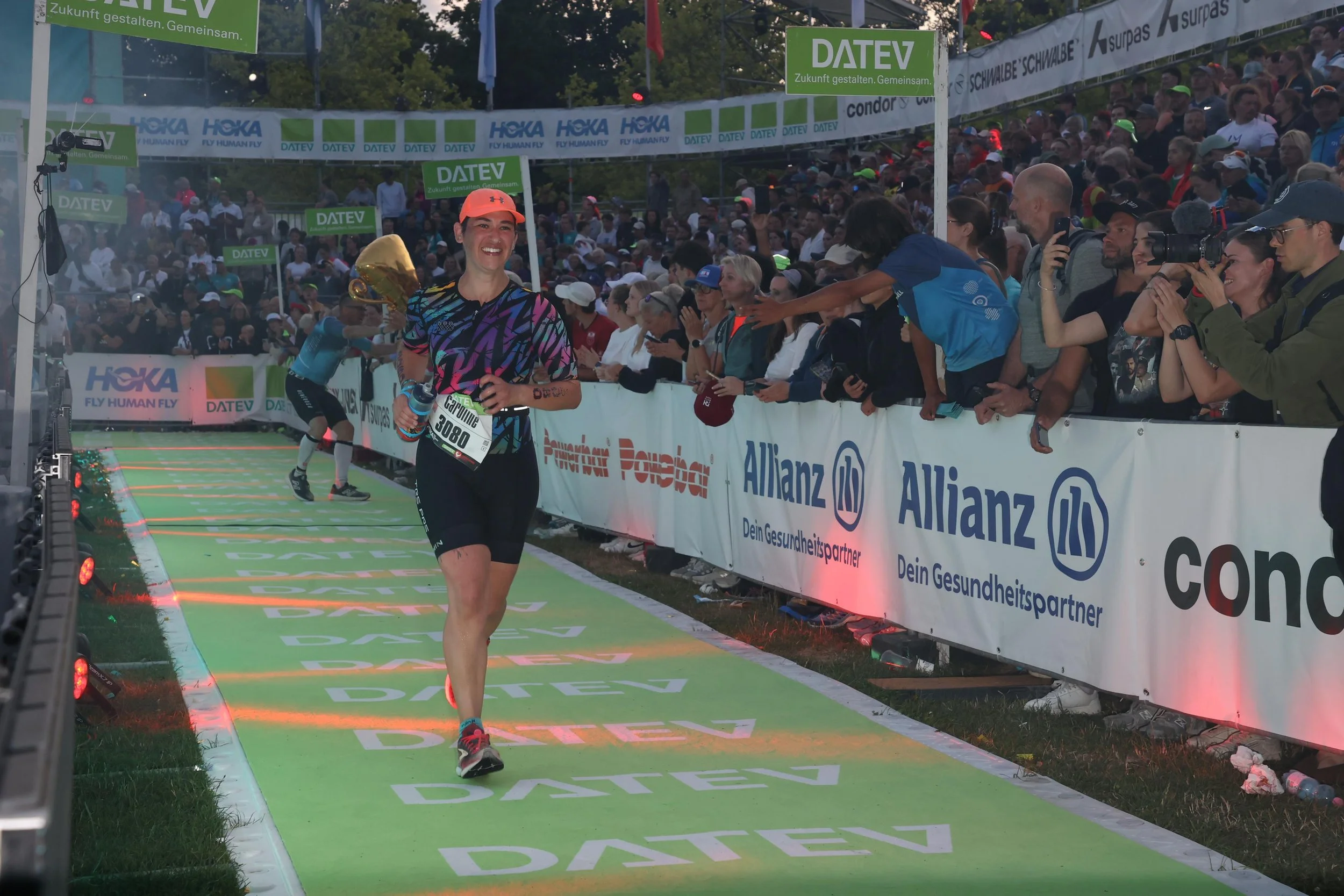
When I crossed the finish line in Roth, Germany, I wasn't thinking about my finish time, the sacrifices it took to get there, or how much my body hurt. I was thinking about how grateful I felt for the opportunity to cross a finish line that, a year earlier, I wasn't sure my body would ever let me reach after a stubborn hamstring injury kept me from running for over a year. Add in a ridiculous pinky injury that kept me out of the water for five months, and just making it to the start line felt like a victory.

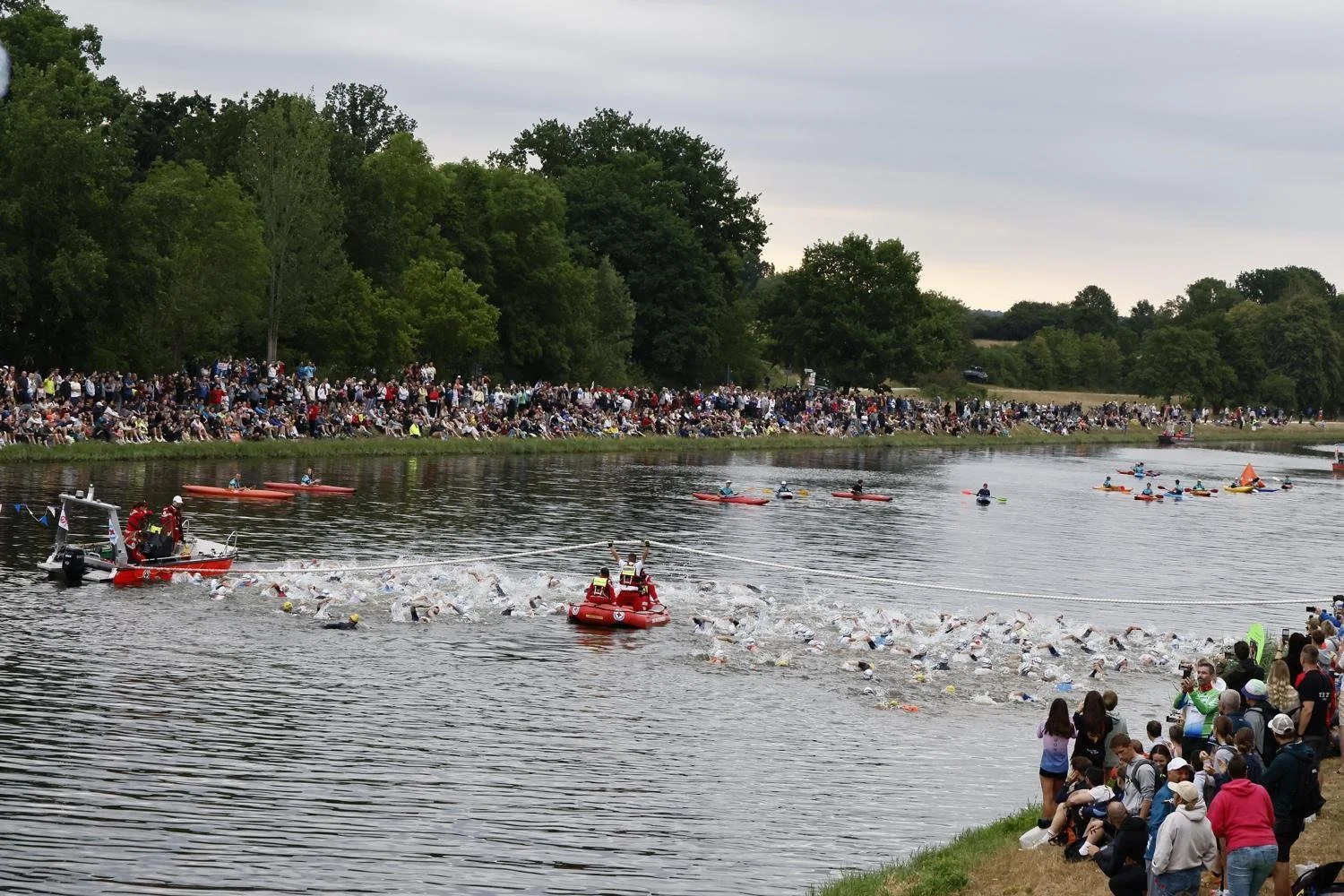
Imagine this: a beautiful 2.4-mile swim with no predators trying to eat you, 112 miles cycling through the rolling hills of the German countryside, and 26.2 pancake-flat miles that finish in a stadium packed with thousands of cheering spectators. Then, to top it all off, the night ends with an incredible performance and light show.
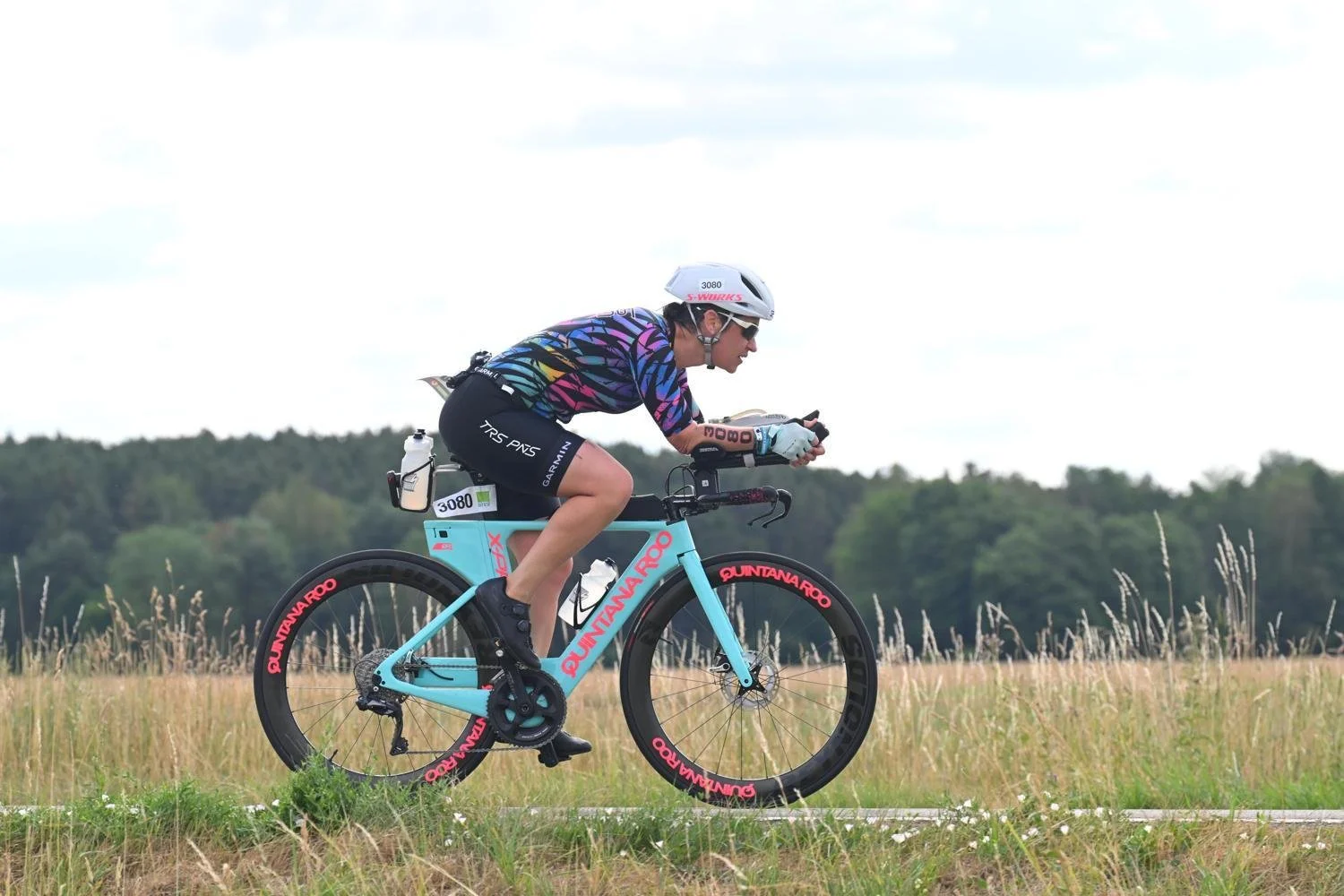
Challenge Roth is unlike any other full-distance triathlon in the world. More than 300,000 people come from all over Germany and beyond to cheer on athletes. They aren't just there to see the professionals; they read the names off race bibs and shout encouragement as all of the athletes pass. At one point, an entire town started singing "Sweet Caroline" as I rode by. Somewhere around that moment, I realized this race was every bit as magical as people had promised.

It wasn't all smooth sailing though. During the bike, race officials pulled me over and told me I was disqualified because of equipment on my bike. Thankfully, it turned out to be an easy fix, but for a few miles I was convinced my race was over. Then I reached Solar Hill, where thousands of spectators packed the famous climb, creating a tunnel of cheering fans. I forgot everything that had happened earlier in the day and actually found myself crying from excitement. It was one of those moments I'll never forget.

This race takes some planning. Registration sells out quickly, this year in 15 seconds, with more than 35,000 people trying to secure a spot at the same time. Fortunately, there's also a lottery, which is how I got in. Waiting until November to find out I'd been selected felt like forever, but it made standing on that start line even more special.
Big goals can feel intimidating, but with smart training and the right mindset, they become lasting memories and stepping stones to even bigger adventures. While swim, bike, and run training are obvious priorities, two other pieces can make all the difference: nutrition and strength training. Those are often what separate a good race from a great one.

That said, even the best plans don't always survive race day. Eleven hours into the race, I couldn't stomach any of my planned nutrition and had to rely on Coke to get me to the finish. It wasn't Plan A, but it got the job done. I kept singing to myself ("This is the way we fuel the race," to the tune of "Here We Go 'Round the Mulberry Bush"), repeating positive thoughts, and reminding myself that with every step, I was one step closer to the finish line and that I was the only one who was going to get me there. 

I firmly believe my time at MPT made me a stronger, more resilient athlete. The confidence you build in the gym doesn't stay in the gym. It carries over into every challenge you take on, whether that's a triathlon, a marathon, or simply proving to yourself that you're capable of more than you thought. You put in the work, and on race day, you trust your training.

If you have any interest in Challenge Roth or would like an introduction to triathlon, I'm always happy to chat. We have several beginner-friendly triathlons right here in Western North Carolina, and I'd love to help you cross your first finish line.
Why Yoga and Climbing Are the Perfect Pair

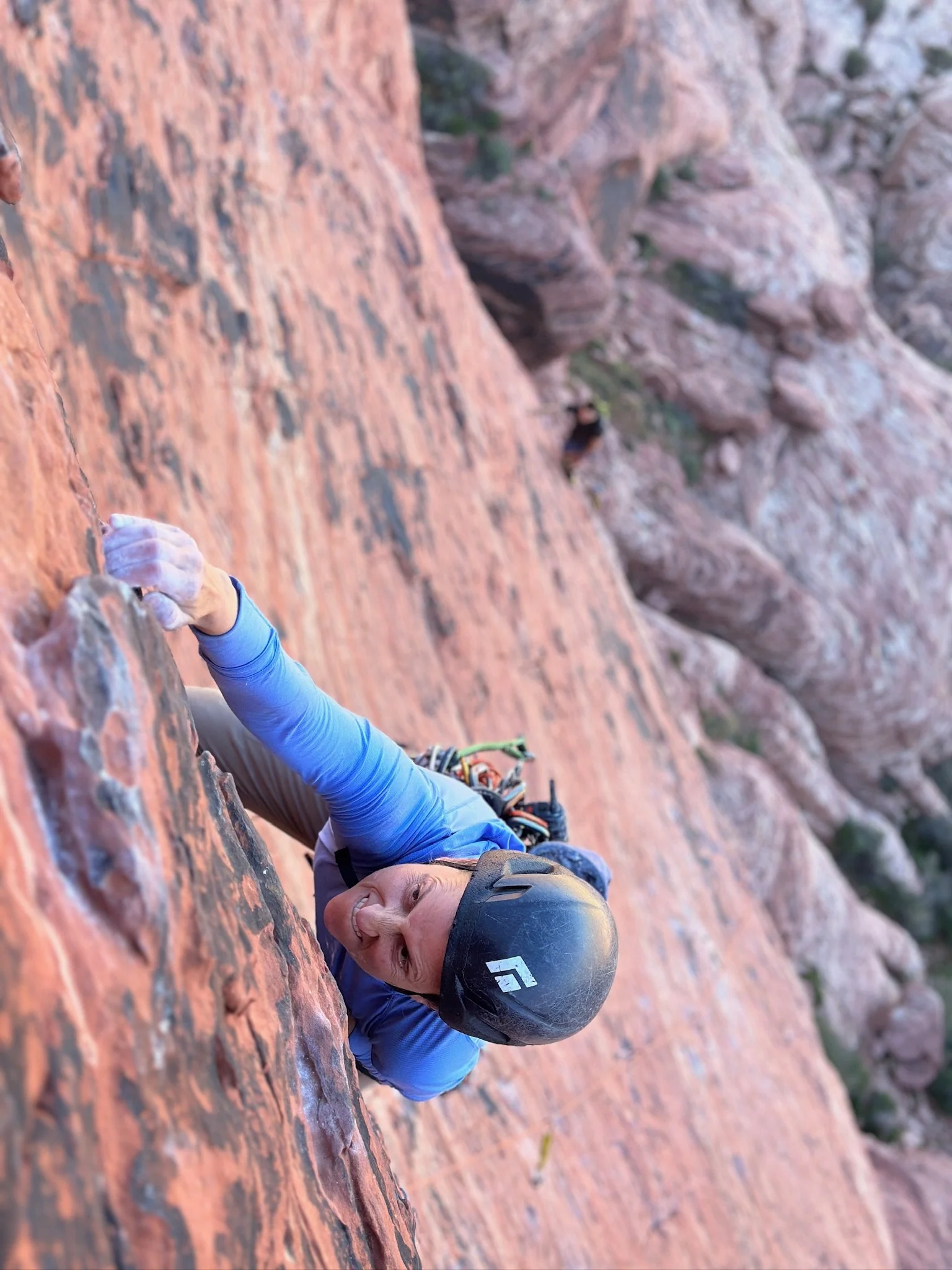
Climbing challenges the body and mind in unique ways. It demands strength, mobility, balance, coordination, focus, and the ability to stay calm under pressure. Yoga supports all of these areas, making it one of the best complementary practices for climbers of every level.

Here are a few reasons why adding yoga to your routine can improve your climbing and help you feel better both on and off the wall.

Improved Mobility and Flexibility

Climbing often requires high steps, drop knees, heel hooks, and extended reaches that demand mobility through the hips, shoulders, and spine. Yoga helps increase range of motion while also building stability and control within that movement.

Better mobility can help climbers move more efficiently, reduce unnecessary tension, and access positions that may have previously felt difficult or restrictive.

Better Balance and Body Awareness

Yoga develops proprioception, or awareness of where your body is in space. This translates directly to climbing, where precise foot placement and controlled movement can make all the difference.

Practicing yoga also helps improve balance and coordination, allowing climbers to move with more intention and confidence on the wall.

Core Strength and Stability

A strong core is essential for climbing. Yoga builds deep core engagement through controlled movement and sustained postures, helping climbers maintain tension, improve stability, and move more efficiently between holds.

Unlike some traditional core workouts, yoga trains strength alongside breath and body awareness, which supports functional movement patterns useful for climbing.

Injury Prevention and Recovery

Climbing places repetitive stress on the fingers, forearms, shoulders, and hips. Yoga can help counterbalance these demands by improving mobility, posture, and muscular balance.

Gentle movement, stretching, and breathwork also support recovery by increasing circulation, reducing tension, and helping the nervous system shift out of stress mode after hard training sessions or long days outside.

Mental Focus and Breath Control

Climbing is as much mental as physical. Yoga teaches breath awareness, concentration, and the ability to stay present during discomfort or challenge.

Learning how to regulate breathing and remain calm can help climbers manage fear, conserve energy, and stay focused during difficult sequences or high-pressure moments.

Active Recovery for Climbers

Yoga does not always need to be intense. Slower, restorative practices can help climbers recover after weekends spent outside or hard sessions in the gym. Taking time to move intentionally and reconnect with the body can improve overall performance and sustainability in the sport.

Whether you climb indoors or outside, yoga can help you move better, recover more effectively, and build a stronger connection between mind and body. It is not about becoming more flexible for the sake of flexibility. It is about creating balance, resilience, and longevity in your climbing practice.

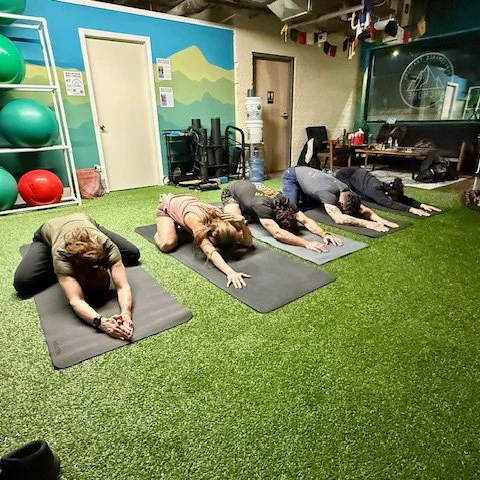
Join us on Mondays at 6:30 PM for active relaxation through yoga and give your body the recovery and movement it deserves after a weekend of adventure.

Real Miles, Real Life: Coach Steven at the Marine Corps Marathon

Real Miles, Real Life: Coach Steven at the Marine Corps Marathon

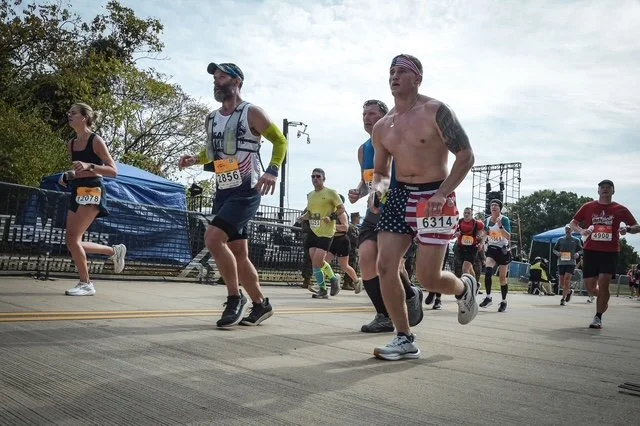
Coach Steven set out to run the Marine Corps Marathon with a goal of breaking four hours. What he didn’t plan for was navigating injury, life stress, and crowded race conditions that made every mile a mental and physical test. From torn ligaments to early morning training sessions and a race-day slowdown, his story isn’t about the perfect finish — it’s about showing up when it counts.

From the Bike Trail to the Rapids: Shanna’s Grand Canyon Kayaking Adventure

From the Bike Trail to the Rapids: Shanna’s Grand Canyon Kayaking Adventure

Fifteen days. Two hundred and twenty miles. No hotels, no showers, no shortcuts. Shanna’s Grand Canyon kayaking journey tested every ounce of endurance, focus, and grit she had. From long days on the river to nights under the stars, her experience revealed what strength, preparation, and mental toughness can truly achieve.

From the Military to the Mountains: Cadel’s Journey to Coaching at MPT Pisgah

From the Military to the Mountains: Cadel’s Journey to Coaching at MPT Pisgah

With a background that spans military service, carpentry, and endurance sports, Cadel brings real-world experience and purpose-driven coaching to the MPT team. Whether he's guiding athletes at Pisgah or Biltmore, his focus is always on building functional strength for life—and for the mountain adventures that come with it.

Coach Spotlight – Denise Dorantes: Leading by Example on the Road to 13.1

Coach Spotlight – Denise Dorantes: Leading by Example on the Road to 13.1

Coach Spotlight: Denise Dorantes – From College Runs to Half Marathons
When Coach Denise first started running in college, it was a way to stay active during Montana’s long winters. Years later, a little encouragement from the MPT community helped reignite that spark. Starting with a 5K, Denise steadily built her running base, took on a 10-miler, and recently completed her first half marathon — the Black Bear Half. Now she’s got her sights set on the Appalachian Trilogy. Her story is a powerful example of how consistency, curiosity, and community can help you grow into new goals, one mile at a time.

Walking the Camino: A Father-Daughter Journey of Strength and Connection

Walking the Camino: A Father-Daughter Journey of Strength and Connection

When MPT athlete John Camp set out to walk 100 miles along Spain’s Camino de Santiago, he didn’t expect his 16-year-old daughter Lily to join him—but her decision turned a personal goal into a shared adventure. Together they trekked ancient paths, navigated fatigue and laughter, and discovered the deeper meaning of strength, connection, and presence.

25 Days on the Great Divide: Caroline & Elizabeth’s Bikepacking Adventure

25 Days on the Great Divide: Caroline & Elizabeth’s Bikepacking Adventure

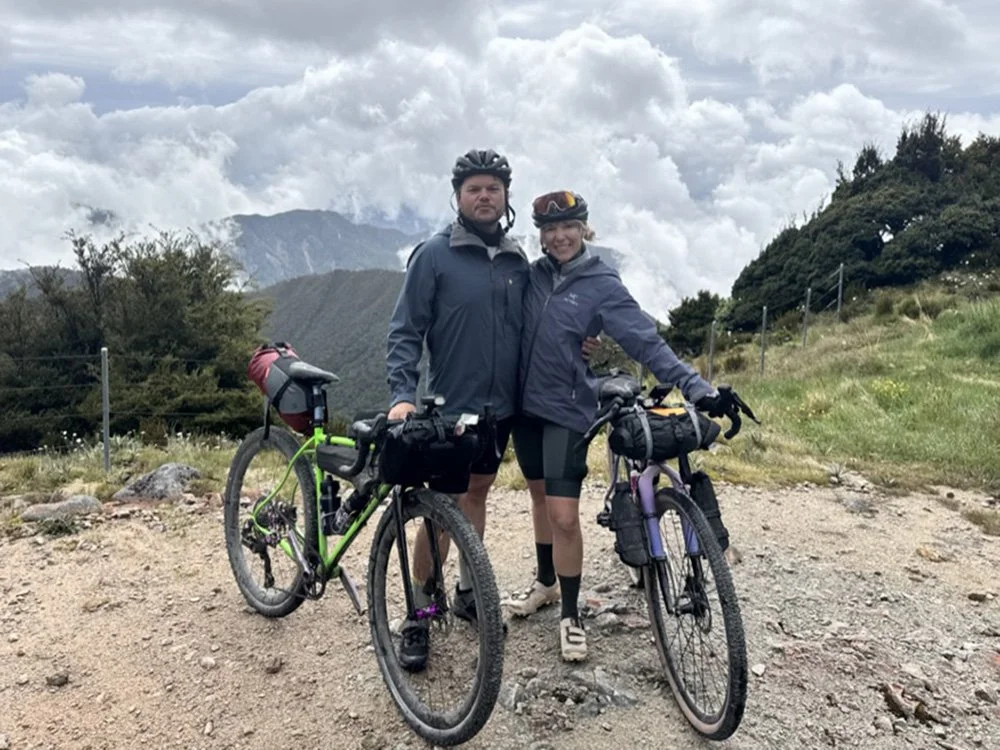
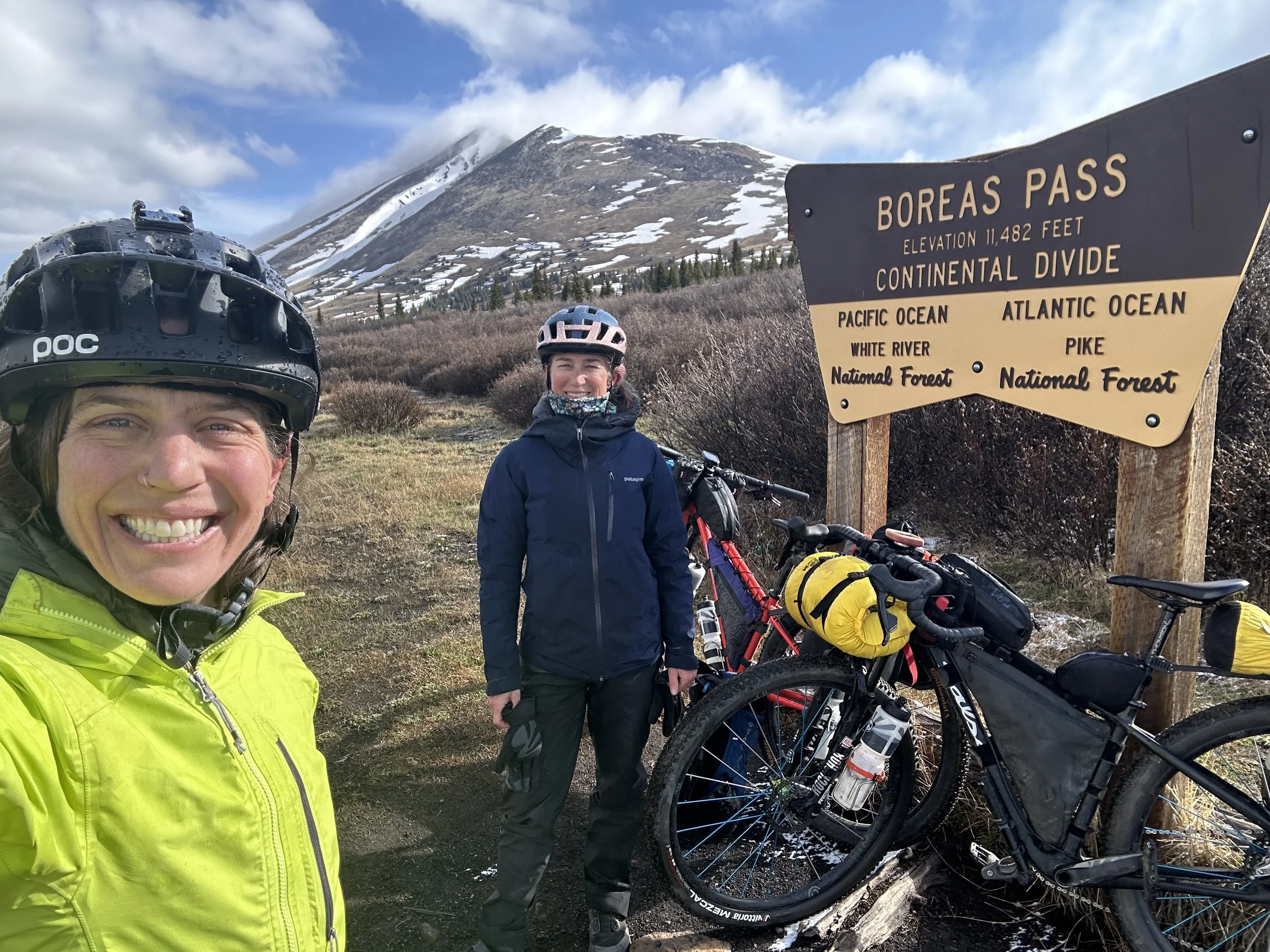
Over 25 days, Caroline Paulsen and her friend Elizabeth pedaled 1,687 miles and climbed 101,000 feet along the Great Divide Mountain Bike Route—from the desert border at Antelope Wells, NM, to the mountain town of Jackson, WY. Through heat, hail, headwinds, and high mountain passes, their bikepacking adventure was a journey of grit, friendship, and the wild beauty of the Divide.

From Floodwaters to the Mountain Trails: Coach Steven’s Story of Resilience and Purpose

From Floodwaters to the Mountain Trails: Coach Steven’s Story of Resilience and Purpose

From Disaster to Determination: Coach Steven’s Story

Coach Steven recently sat down with Skip Mauney on the Good Neighbor Podcast to share the story behind McHone Performance Training—and how a devastating flood nearly ended it all. What followed was an outpouring of support, quick action from the MPT team, and a comeback powered by community.

💬 Read the full story:
“How a Podcast Brought Back the Story That Shaped MPT” — now live on our blog.

🎙️ Listen to the interview:
Good Neighbor Podcast

Rim to Rim: How Alexis Ressler Took On the Grand Canyon

Rim to Rim: How Alexis Ressler Took On the Grand Canyon

From Knee Replacement to Rim-to-Rim: Alexis Ressler’s Grand Canyon Journey
What does it take to hike the Grand Canyon Rim-to-Rim after a total knee replacement? For Alexis Ressler, it took years of intentional training, unwavering determination, and a whole lot of heart. With the support of McHone Performance Training, Alexis turned a major recovery into a lifelong goal realized—capturing breathtaking views and reclaiming her strength along the way. This is more than a hiking story—it’s a testament to resilience, smart training, and the power of believing in what’s possible.

PRESS RELEASE: McHone Performance Training Reopens After Hurricane Helene – Rebuilding with Community and Commitment

FOR IMMEDIATE RELEASE                                                                                          

McHone Performance Training Reopens After Hurricane Helene – Rebuilding with Community and Commitment

Asheville, NC – April 16, 2025 - McHone Performance Training (MPT) is proud to announce the official reopening of its facility following a successful ribbon-cutting celebration held in partnership with the Asheville Chamber of Commerce this March.

This reopening marks a powerful moment of resilience for the MPT team and its community, following the devastating impact of Hurricane Helene.

MPT originally opened in mid-2024 and quickly became a premier training hub for mountain athletes, ultra-runners, mountain bikers, climbers, and outdoor enthusiasts. Just months after opening, Hurricane Helene caused catastrophic damage, resulting in the loss of all equipment and a full interior rebuild.

Thanks to generous community support and assistance from local grants, MPT was able to recover, rebuild, and re-equip the facility. The space is now fully operational and better equipped than ever.

"Feeling so much gratitude and love for the WNC community. Tough times don’t last, tough people do," said Steven McHone, Founder and Head Trainer. "The damage from Hurricane Helene was devastating, but the outpouring of support made our comeback possible. We’re incredibly grateful and excited to welcome everyone to our newly restored and upgraded facility."

The updated facility includes expanded resources tailored to outdoor athletes, offering specialized training for endurance sports, strength and conditioning programs, and in-house physical therapy and sports massage services.

MPT welcomes inquiries from outdoor athletes and enthusiasts who are interested in learning more. Whether you're preparing for a competitive season or simply aiming to move better in daily life and on the trail, the coaching team is available to discuss training goals and program options.

To support new members during this reopening phase, MPT offers $100 off enrollment for a limited time.

To learn more about McHone Performance Training, visit McHonePerformanceTraining.com or follow @McHonePerformanceTraining on Facebook and Instagram.

Media Contact:

For media inquiries, interviews, or additional information, please contact:

Steven McHone
Founder, McHone Performance Training

info@mchoneperformancetraining.com

—-------------------------------

About McHone Performance Training

McHone Performance Training is a leading provider of outdoor performance training, catering to mountain athletes, ultra-runners, mountain bikers, climbers, and outdoor enthusiasts. With a commitment to excellence, McHone Performance Training empowers individuals to reach their peak potential through specialized training programs, expert guidance, and a supportive community. Their approach focuses on functional strength for daily living and mountain adventures.


# # #

Epic Bikepacking the Cohutta Cat

Epic Bikepacking the Cohutta Cat

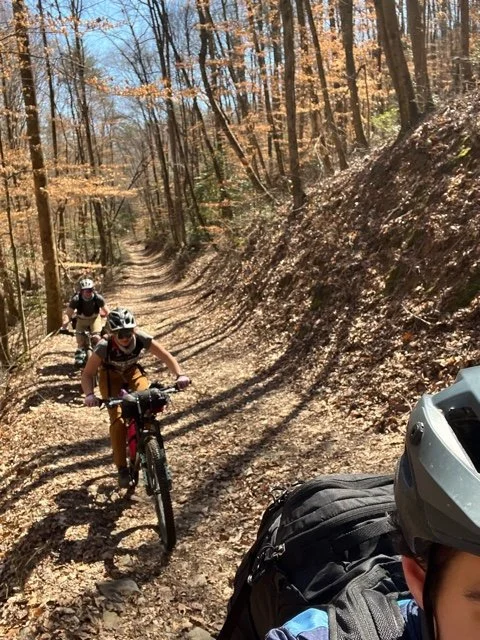
Bikepacking offers two approaches—go light and fast for big miles or pack heavy for a slower, immersive experience. Our ride on the Cohutta Cat, a 290-mile loop with 33,000 feet of climbing, started as a relaxed trip but quickly shifted when freezing temps set in. We adapted, pushing harder each day, riding epic singletrack, and battling exhaustion, especially on a grueling 100-mile day through the Cohutta Mountains and the Ocoee Whitewater Center. Through every challenge—cold mornings, tired legs, and fleeting thoughts of quitting—we kept moving forward. In the end, bikepacking is all about embracing the unknown, adjusting to the ride, and finding joy in the journey.

My First Race

Coach Morgan showing his stoke to be finished with Heartbreak Ridge and Star Gap.

By Coach Morgan Willger

I’ve never been a big “race-guy”. The last time I competed in any kind of race was on foot over 10 years ago. Moreover, I would barely call myself a “mountain-biker”. More like a rookie dabbler in his first season. Naturally it makes sense when I say that “apprehensive” is the word which comes to mind when my boss, Steven McHone with McHone Performance Training, presented me with the idea of competing in the Pisgah Enduro. I knew I should do it the moment I realized I was scared of it. Thankfully, I committed, and as a result I gained several valuable lessons:

1. Don’t sell yourself short.

2. Beginnings are beginnings; they do not dictate the end.

3. You define your own success.

From the beginning I was a bit of a mess. I started the morning by driving off with my coffee mug on top of my truck and forgetting my gloves at home. Cheers for good starts and setting expectations for the day. Upon arriving to Camp Grier, however, things immediately began turning around. There was tension, but good tension. Excited tension. Not the kind that makes you shrink but the kind that brings enthusiasm for life. I decided then that I was going to not only finish this, but it was going to get better with every mile.

The climb was not for the faint of heart. Again, I am not an experienced mountain biker, but I am fairly athletic. I can push a bike a long way. The Enduro was perfect for this because I didn’t have to worry about timing, and this actually gave me the opportunity to get my head straight. Those close to me know I am very competitive. When I am in over my head or find myself in a game where I am far inferior to my competition I have learned to “change the rules”. Not literally but internally. If I can’t win the proper game then I devise a new goal and pursue that. This no-pressure climb gave me the time to stop and think about how I can change the game. I decided on two simple rules: Make a Friend and Don’t Crash. The first because when I am nervous I revert to being introverted, and the second because hospitals are expensive. I figured if I could do these two things then the day was won.

Team MPT representing on top of Heartbreak Ridge at the start of Stage One of the Pisgah Enduro. Coach Morgan and MPT Athlete Weston pictured above.

After ascending Heartbreak, the pressure was further alleviated by the friendly peers and relaxed manner of the race coordinator. I also quickly discovered that my first goal was going to be an easy one. These people were all friendly and eager to help or offer advice. A fellow racer even gave me his extra pair of gloves which would later on inspire me to pay the good deed forward. After some quick, simple instructions we self-sorted based on competitiveness with “people who want to race” going to the front and “those who are here for fun” starting towards the back. I was part of the latter.

The first segment, Heartbreak, was a blast. I rode within my means and focused on my second rule: Don’t Crash. I learned that I could trust my abilities and I was more capable than I thought. This fun, choppy downhill quickly ended, and gifted me an adrenaline high that made the minor climb to Star Gap nearly imperceptible. The short reprieve allowed for me to engage in some laughs with the other riders around me and then quickly get back on the ride. Stage Two (Star Gap) began and ended much the same: adrenaline, no crashes, and fun.

However, it was broken up by my aforementioned opportunity to pay forward a good deed. A short distance into the timed downhill I ran into a fellow racer who was in need. Nothing crazy, just a simple flat tire; however, he didn’t have anything to repair it. After quickly squashing my competitive desire to keep burning downhill I realized the more important thing to me was to see this guy finish the race. This stop provided a learning opportunity for me as well as contributed to further fulfillment of Rule One. Being new to the sport I only had theoretical knowledge in how to use my trail tools. While I puzzled my way through inserting plugs and using CO2 to refill the tire, another racer with more experience and a need to rest stopped to help. Once we got it sorted, we all set off together and at the bottom we caught up to another racer who clearly had not heard of my second rule. The dirt and minor scrapes along one shoulder and side of his face gave away his close inspection of the Pisgah Trails. We four took a moment to collect ourselves, put a bit more work into tire repair, and then set off together for the final climb up Kitsuma as an unspoken team. We didn’t know it fully, but by the end we were all going to get something useful out of one another.

Aid Station 1 of the Pisgah Enduro by Pisgah Productions. Coach Morgan helping his fellow riders keep rolling.

The final climb was less daunting and we had plenty of untimed trail to get to know each other. One of us wasn’t sure if he would make it because his tire was still not holding air. We kept working it and eventually ended up pulling a spare tube from my gear to ensure he could finish. My lack of experience was covered by another teammate, but my preparedness came in hand by having the supplies. Our mechanically experienced teammate was from a low elevation state with minimal opportunities for mountain training. As a result, he was unsure of continuing due to cramping and fatigue. We three kept pace with him and encouraged his effort. He later stated that had it not been for the team’s encouragement he would have dropped out. Our third teammate was solid. All he needed to finish the race was the joy of our newfound band and to keep his tires on the trail. We summited Kitsuma together and descended in close succession. The final ride was the best. No one blew a tire, no one ate any dirt, and we all won in our own way.

As for myself, I was more than physically capable of finishing the race and had all the gear to do it, but I was inexperienced and uncomfortable. Looking back, I could have been more competitive in my ranking if I had wanted to, but I changed my rules and do not for one second regret it. I grew in my self-perception. I dictated my ending. I defined my own success, and while I am thoroughly impressed by the incredible times put up by those top riders, I am more than happy with the success I found in my first race.

Coach Morgan and a fellow racer at the finish of the Pisgah Enduro in Camp Greir.

My Nutrition Strategy for PMBAR: Eat Early and Often

My Nutrition Strategy for PMBAR: Eat Early and Often

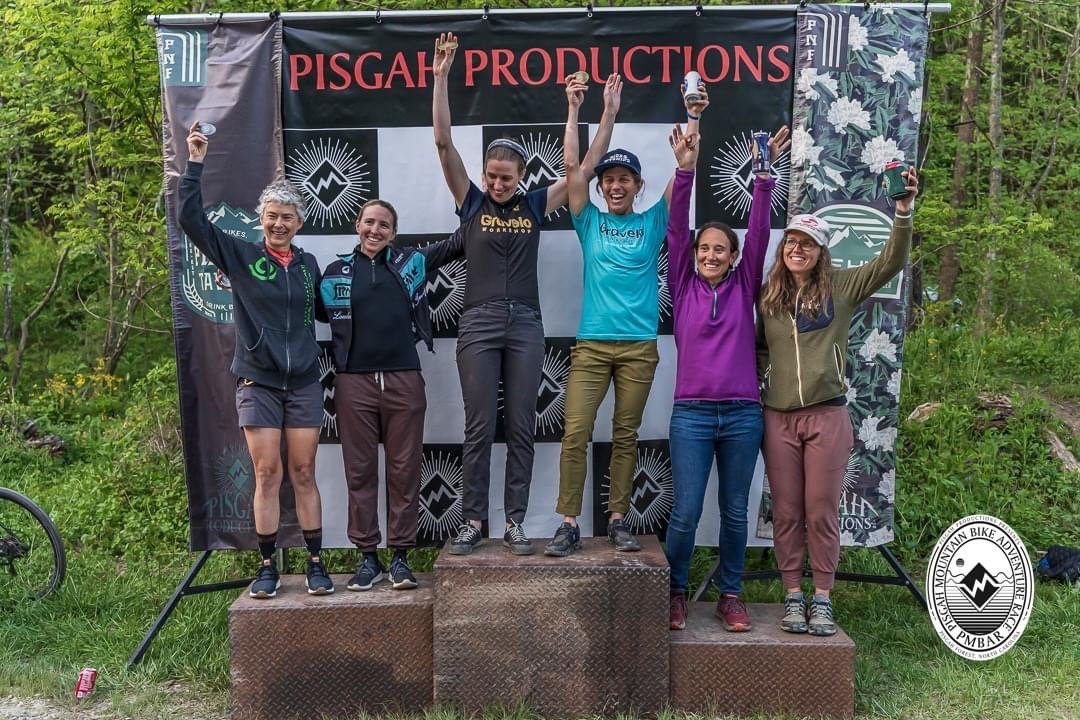
Sarah Pruett Soufl, MS RDN LDN at the Finish line for Pisgah Productions Pisgah Mountain Bike Adventure Race(PMBAR).


If you’re reading this, you know about the Pisgah Mountain Bike Adventure Race (PMBAR). It is an exciting endurance event with no set course in Pisgah National Forest, Brevard, NC. Getting at least 4 of 5 checkpoints can mean pedaling or pushing a bike up 8,500-11,000 feet over 50-80 miles. To a first-time teammate like me, it was everything: the magic of an all-day mountain bike adventure on world-class trails in a stunning forest bursting with springtime green and gently scented by wild blackberry blooms.

Nutrition Strategy: Learn my Body

Leading up to May 6, 2023, I was doing a lot more training than I had ever done, working up to rides over 5 hours.  I tried to get at least 10 hours in the saddle each week, combining gravel grinds with lots of techy downhill in Bent Creek, N. Mills and Brevard. I combined that with 2 days in McHone Performance Training where I focused on balance and strength training. The longer rides gave me a good sense of what my body needed in terms of food over the miles and hours; it was that experience of riding leading up to the event, more than any formula, which informed my intuitive approach to food on the day of PMBAR.  I found that I felt “better”, i.e. more energy, more satisfaction, less GI distress, when I was eating a “main course” like a savory sandwich, bagel with cream cheese, leftover dinner or burrito–and some salty potato chips–every 1 ½ to 2 hours of “hard” riding. I would say those items generally were 500-600 calories with relatively higher protein and fat than an energy bar or gel/goo/powder, which I would eat in between.

How I planned what to bring:

The total time allotted for the race is 14 hours, which would mean I would need at most 7 “main” courses and lots of salty snacks.  My teammate Leslie Prescott and I had the goal of getting back before dark but we were willing to stay out there if there were to be significantly more difficult checkpoints.  I would bring 5 “mains”, study the maps well so that we could be efficient, and bring lots of snacks like Trader Joe’s granola bars, Margarita Shot Bloks containing extra sodium, Skratch Labs drink powders and chews, mini beef sticks, Good & Gather 100% fruit strips, chocolate chip Z-bars and salted dark chocolate bark.

My 5 “mains”:

-2 breakfast burritos made with fajita-sized white tortillas, 1 ½ eggs, 1 pork sausage, cheddar cheese and ketchup each.

-2 cinnamon raisin bagels with cream cheese on both sides.

-1 peanut butter and jelly sandwich with an extra sprinkle of salt.


I ate the first burrito at the top of Clawhammer, 1.5 hours in. What a fun start to the race! From there, I had a main at each checkpoint and ate snacks while riding gravel or hiking in between. This strategy worked well as it was easier to add more glucose-heavy items later in the day when my GI tract had been nourished by foods higher in protein and fat.

Your mileage may vary! Speaking with a dietitian can help you dial in nutrition pre-, during and post-event.  Reach out if you want to talk more.