An Adventure Honeymoon: Bikepacking Across New Zealand
Ashley Greenstein trained at McHone Performance Training’s Biltmore Village location in Asheville to prepare for the physical demands of her adventure.
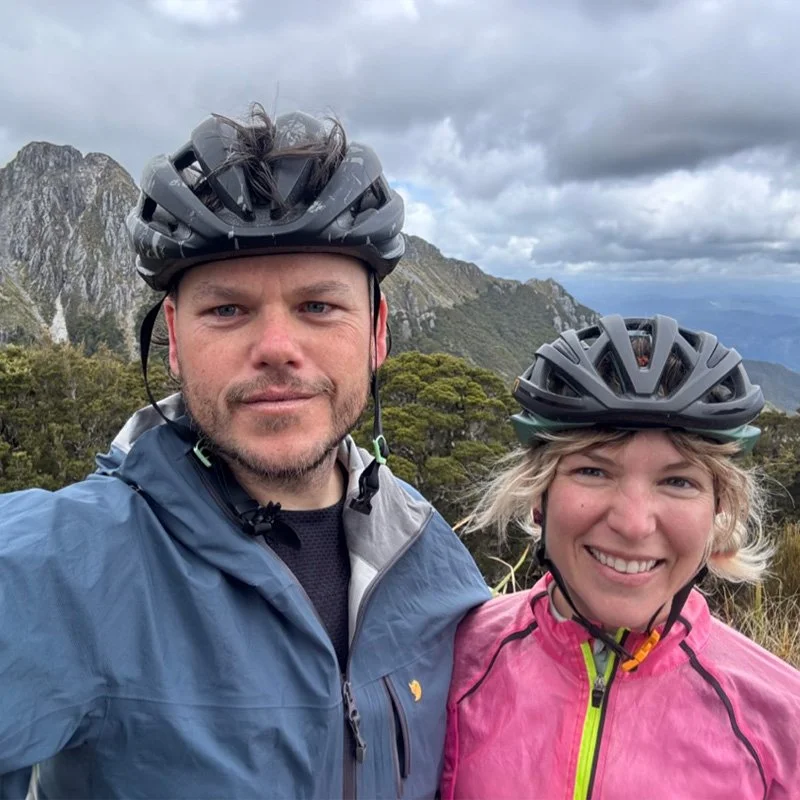
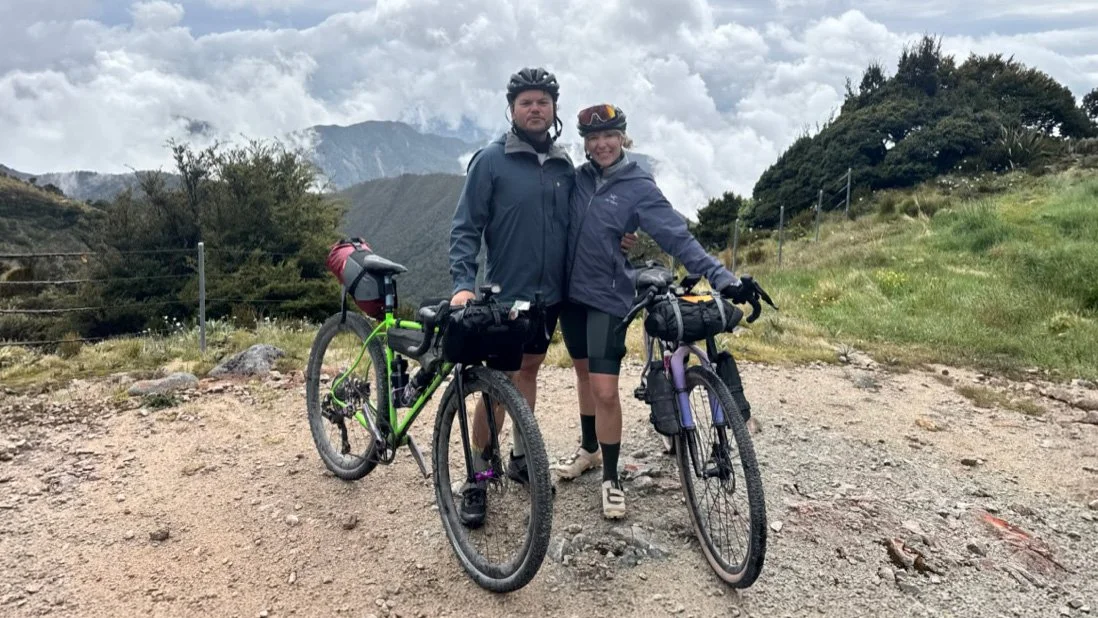
When Ashley and her husband, Sid Law, started planning their honeymoon, they weren’t looking for a typical getaway. Instead of relaxing on a beach, they chose something that reflected what they love most: travel, bikes, and adventure.
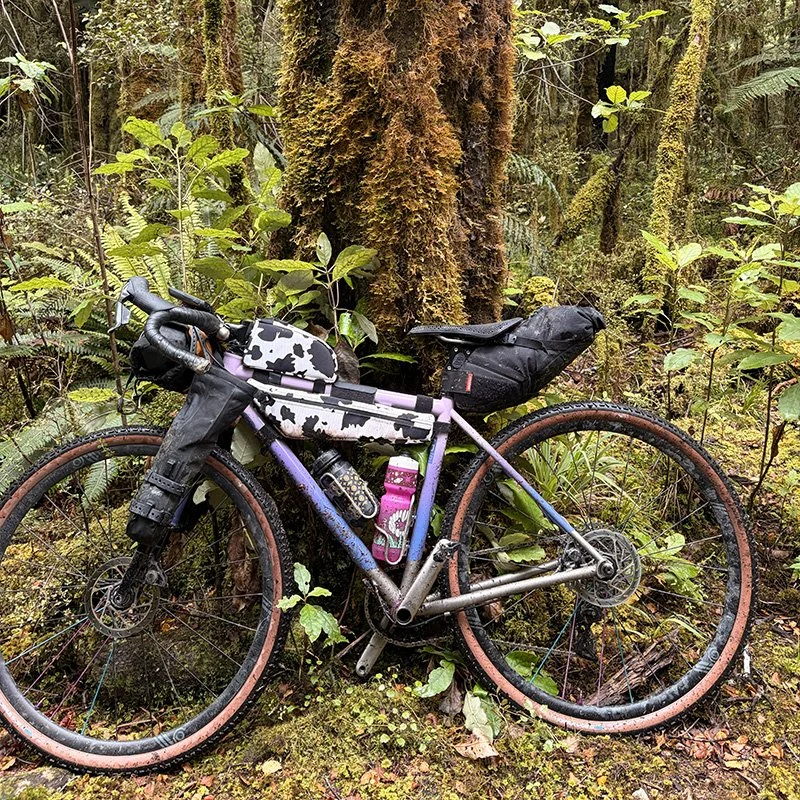
Instead of a traditional honeymoon, the couple flew their bikes to New Zealand with plans to spend more than two weeks bikepacking across the country. For the trip, Ashley had a custom titanium gravel bike built by Mosaic Cycles, outfitted with components from Cane Creek Cycling Components, including the Invert Gravel suspension fork designed to handle the rugged terrain. Her husband rode his preferred gravel bike, built for speed and the type of riding he was most accustomed to.
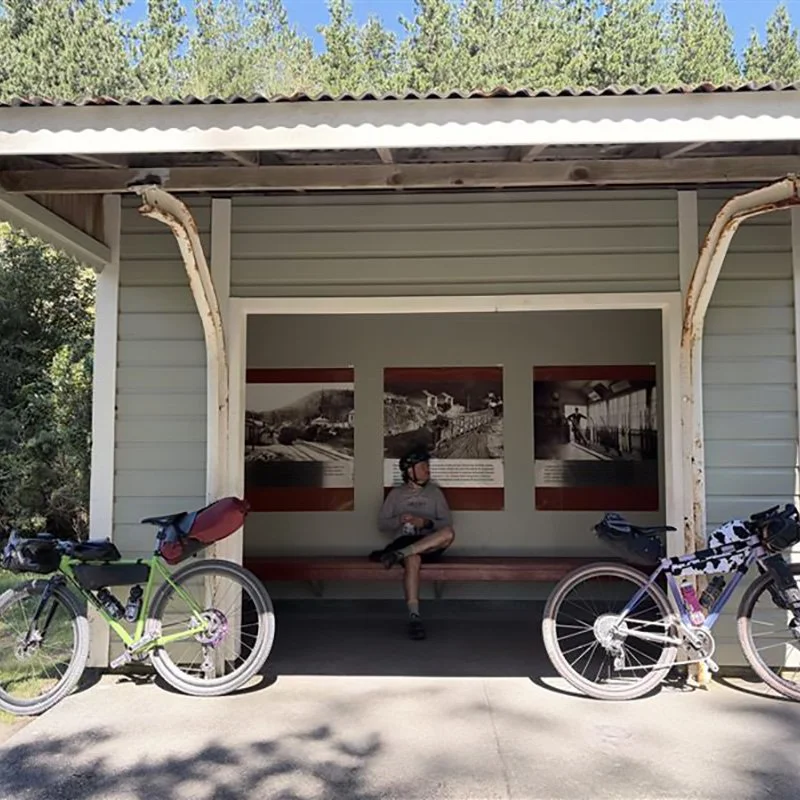
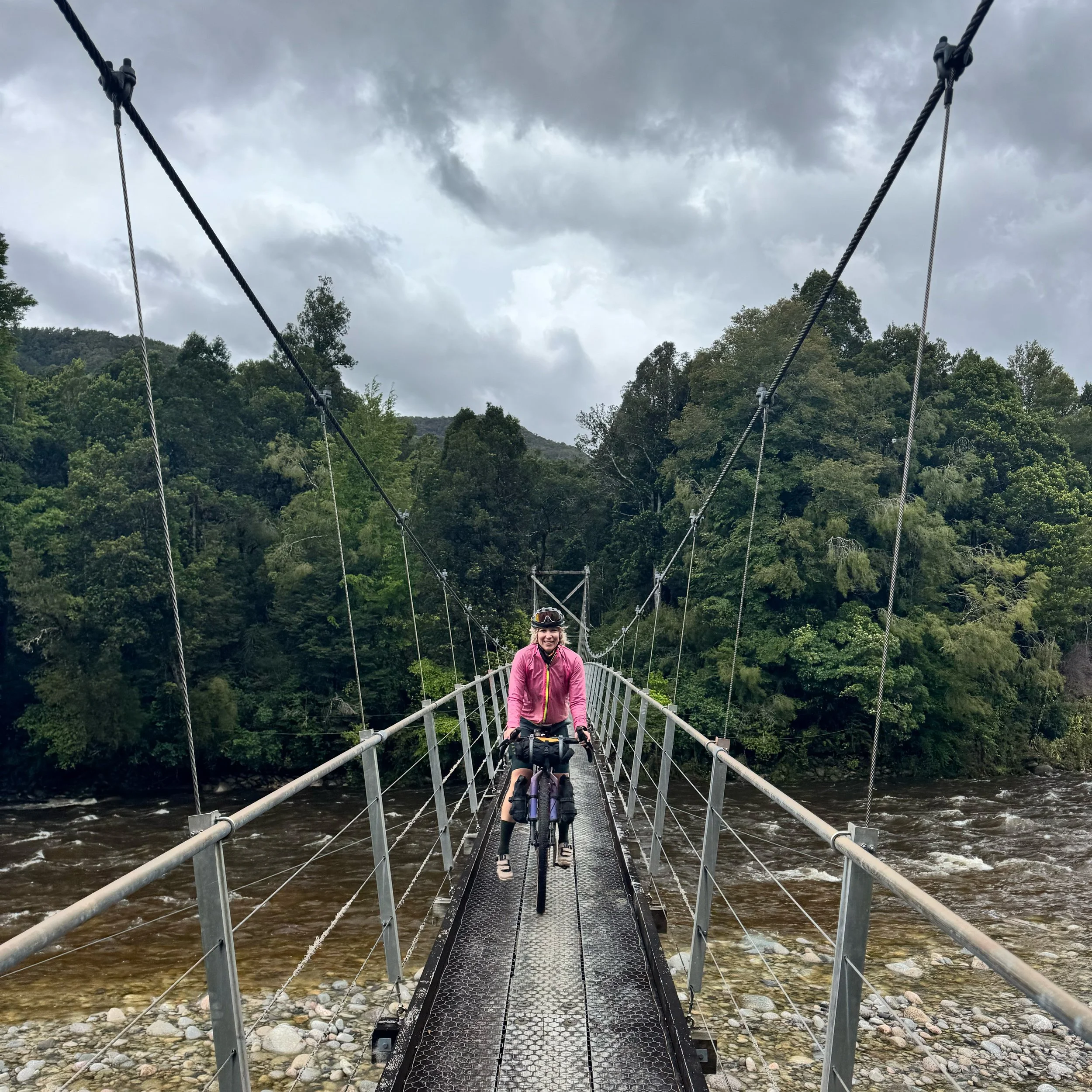
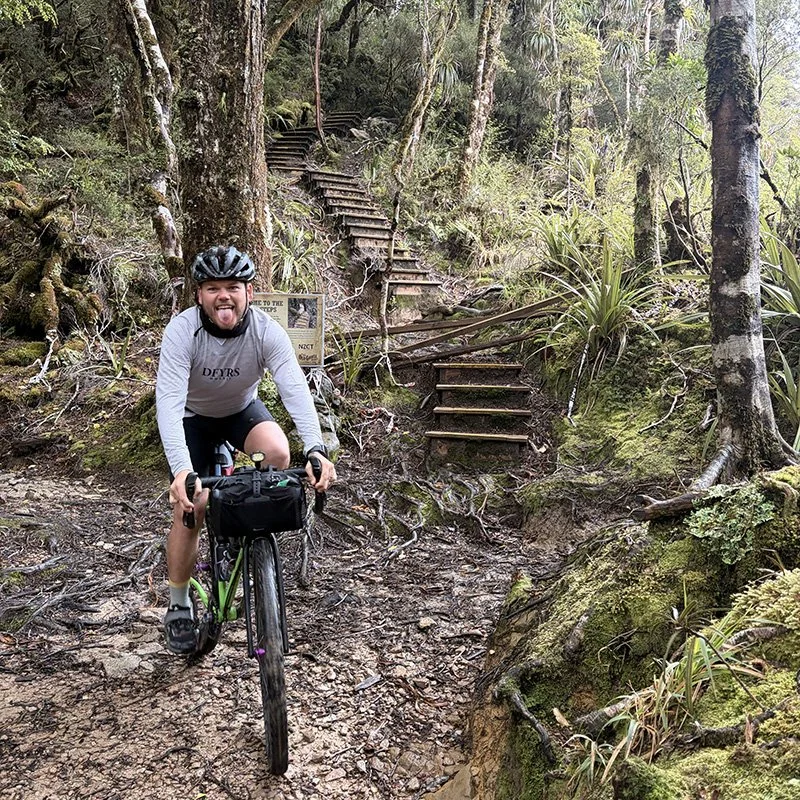
Over the course of the trip, they would ride four different trails, navigating everything from forested rail trails to rugged mountain routes surrounded by constantly changing landscapes. The days required long hours in the saddle, steady climbing, and the ability to adapt to changing terrain.
Riding New Zealand’s Great Trails
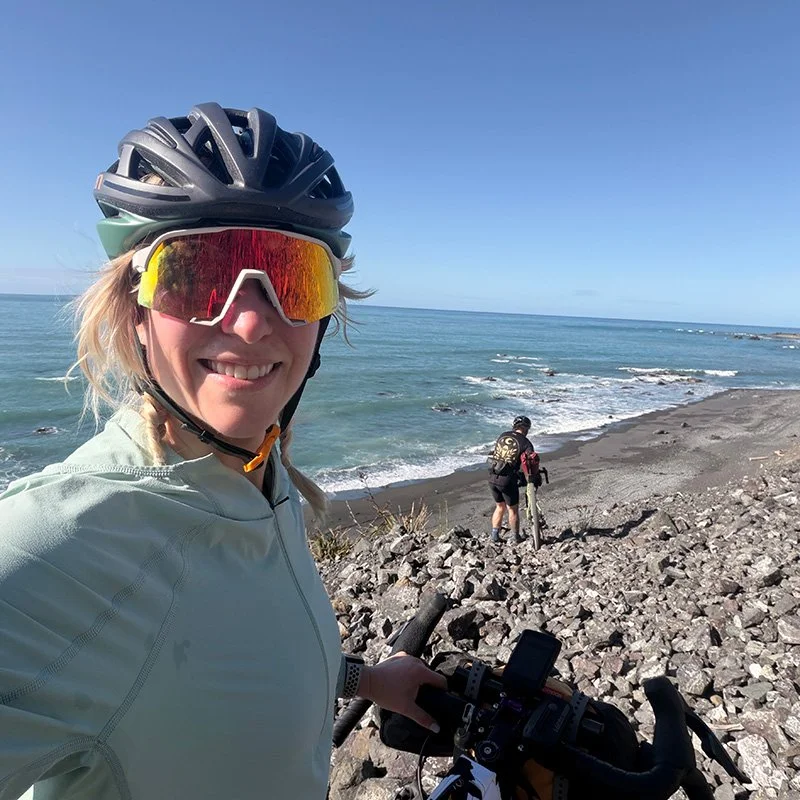
New Zealand is known for its network of long-distance cycling routes called the Great Rides, which combine scenic backcountry riding with huts and lodges that provide water, shelter, and places to rest along the way. Ashley and her husband built their honeymoon around several of these trails.
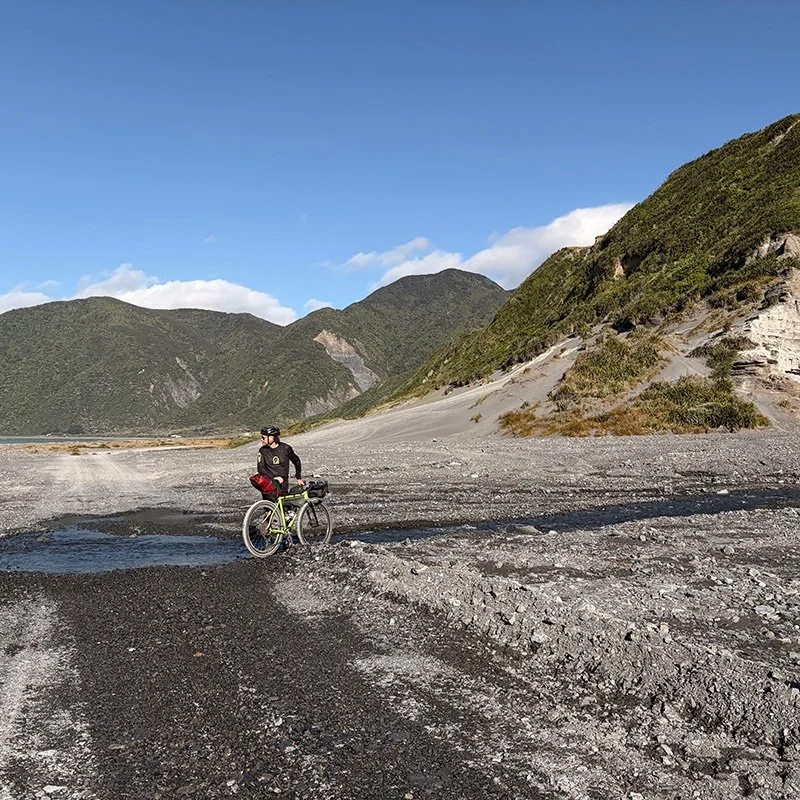
One of their first rides was the Remutaka Trail near Wellington on New Zealand’s North Island. The roughly 50-mile route followed sections of a historic railway line through dense forest before opening onto rugged coastal terrain, including stretches where riders had to walk their bikes across volcanic beaches.
After completing the ride, the couple traveled to the South Island to take on one of the routes Ashley had known about for years: the Old Ghost Trail.
Riding the Legendary Old Ghost Road Trail
Ashley first heard about the trail nearly a decade earlier when someone recommended the book Epic Rides of the World, which highlights iconic cycling routes around the world.
Located on the northwest side of New Zealand’s South Island, the Old Ghost Trail is a technical, remote bikepacking route that follows what was once a historic coal mining road through mountain terrain.
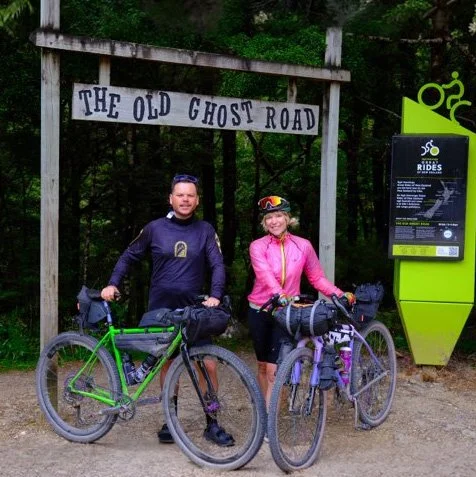
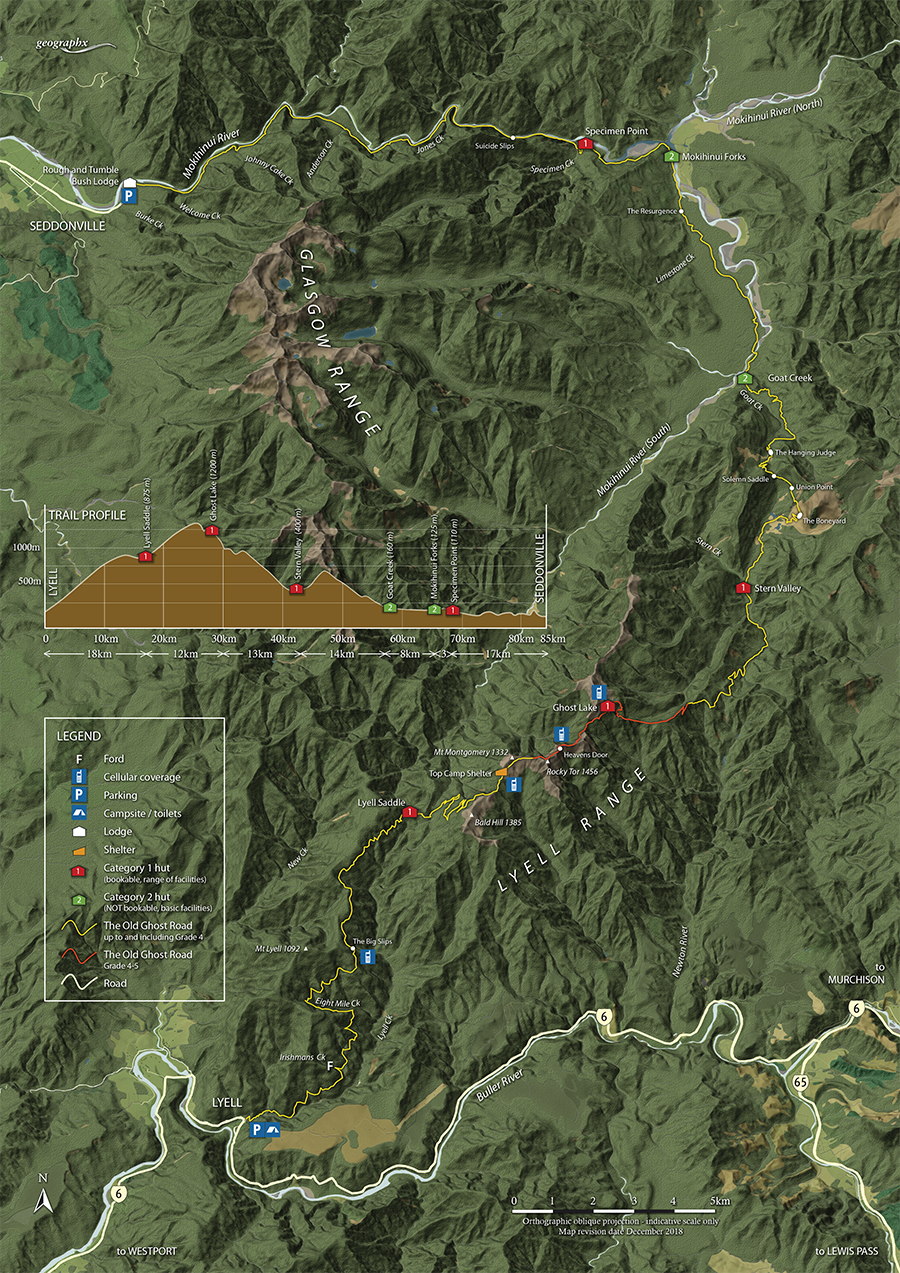
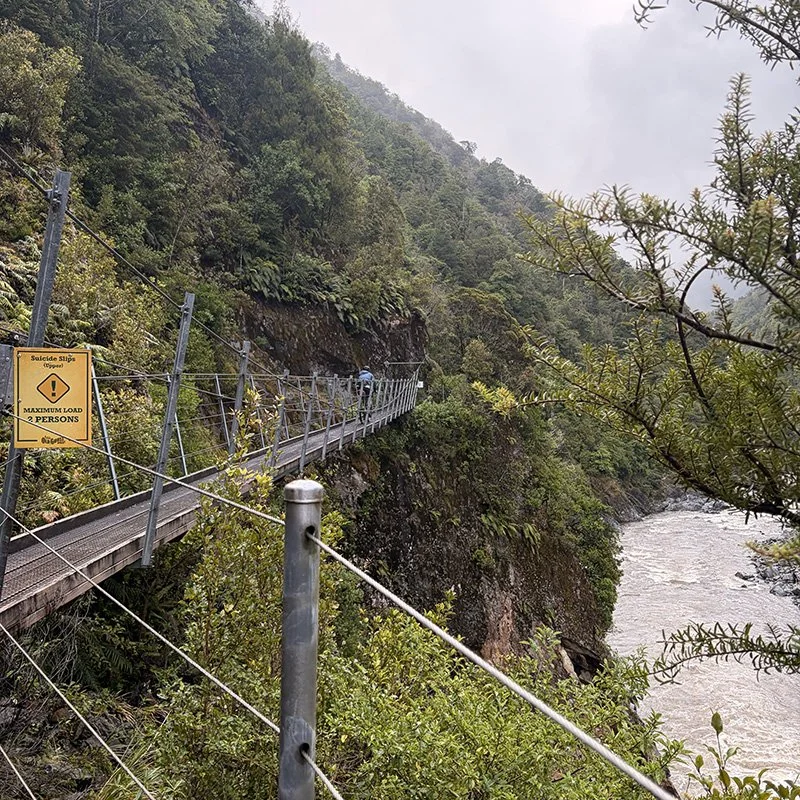
The couple completed the challenging trail over two days, covering roughly 70 miles. The first day consisted almost entirely of climbing, more than 4,300 feet of elevation gain along narrow sections of trail carved into the mountainside. In places, the path was only a few feet wide, with loose shale and exposed edges requiring careful riding. The second day brought a long descent through changing terrain. Each section brought its own series of challenges that were not only physically grueling but also required strong mental prowess.
Despite its remote setting, the route includes a series of backcountry huts where riders can spend the night. These huts provide beds, water, and heating, allowing bikepackers to travel lighter without carrying full camping gear.
Out of all of their honeymoon routes and previous adventures, the Old Ghost Trail was the gem of their trip and the most physically demanding type-two fun that the couple had ever experienced.
Preparing for the Demands of the Trail
Before leaving for the trip, Ashley knew training at McHone Performance Training was crucial to building the strength and endurance needed for long days in the saddle and sustained climbing.
That preparation helped her approach the rides with confidence. Multi-day bikepacking trips demand more than endurance; they require stability, resilience, and the ability to adapt when conditions change.
At MPT, she had learned the importance of hip-opening stretches before rides and remembering to tap into her glutes and core on hard climbs. The MPT warm-up was a perfect way to start her day before hitting the trails on this trip.
For Ashley, the experience reinforced how preparation can make ambitious adventures possible, from challenging mountain trails abroad to the rides and adventures closer to home.